The Charlie Kirk Assassination Cover-Up Just Got Even Darker: Redacted Podcast Sparks New Controversy
The shocking assassination of conservative activist Charlie Kirk has taken an even darker turn, according to the latest episode of the independent podcast Redacted, hosted by Natali Morris and Clayton Morris. The show claims that the official story of the shooting, which authorities describe as the act of a lone gunman, may conceal a more complicated and disturbing reality. Clips of the podcast have gone viral, reigniting debate about the investigation, media coverage, and possible cover-ups.
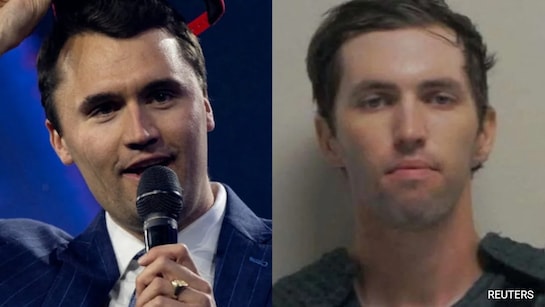
Charlie Kirk was shot while speaking at a Turning Point USA event at Utah Valley University in Orem, Utah. Authorities quickly identified 22-year-old Tyler Robinson as the suspect, charging him with aggravated murder. Prosecutors have indicated they will seek the death penalty, citing premeditation and ideological motive. While official reports describe Robinson as acting alone with a bolt-action rifle, Redacted challenges key aspects of this narrative.
During the episode, Dr. Matthew Reynolds, a guest expert on media influence, analyzed previously unseen crowd footage that the hosts argue raises questions about the official timeline and bullet trajectories. “The visual evidence doesn’t match the official story,” Reynolds said. “The way the shots appear to travel suggests something else entirely — either errors in reporting or deliberate manipulation.” The podcast also highlights videos showing the crime scene being cleaned and renovated shortly after the shooting, fueling speculation that evidence may have been removed or altered.
Natali Morris remarked, “Parts of this investigation are being handled almost badly on purpose. There are too many inconsistencies to ignore.” Clayton Morris added, “What are they trying to divert our eyes from?” These statements underline the podcast’s central claim: the public is not receiving the full truth about what happened that day.
The episode has sparked a polarized response online. Supporters argue that it is a critical examination of official narratives and a reminder of the importance of independent oversight. Critics caution that the podcast relies heavily on circumstantial evidence and speculation, noting that prosecutors have released text messages and other documentation indicating Robinson’s premeditation. Official sources continue to maintain that Robinson acted alone and that no credible evidence suggests wider involvement.

Despite the controversy, the Redacted hosts insist that their goal is not to assign blame prematurely but to expose inconsistencies and encourage transparency. They point to the speed of media framing, rapid scene clean-up, and selective release of footage as reasons for public concern. For many viewers, the debate extends beyond the shooting itself to the broader issue of how political violence is reported and investigated.
While authorities continue their investigation and the legal process moves forward, the podcast’s claims have already influenced public discourse. The assassination is no longer viewed solely as a tragic event; it has become a flashpoint in debates about media control, government transparency, and the influence of alternative narratives on American politics. Redacted frames its coverage as part of a larger mission: to question the official story, analyze overlooked evidence, and challenge assumptions about who controls the truth in politically charged incidents.
As the case unfolds, one thing is clear: the discussion sparked by Natali and Clayton Morris has amplified public scrutiny and made the Charlie Kirk assassination a symbol of both tragedy and controversy, raising questions that may persist long after the trial concludes.
