Did Carney Just Break the Law? Name Dropped Company in $2 Billion Deal He’s Invested In
White House Press Secretary Andrew Carney is facing intense scrutiny after a recent press briefing in which he reportedly mentioned a company involved in a $2 billion deal — a company in which he allegedly holds personal investments. The revelation has sparked questions about potential conflicts of interest and whether ethical boundaries were crossed.
During the briefing, Carney was discussing new federal initiatives aimed at supporting American businesses and infrastructure. In the course of explaining policy measures, he referenced a specific company by name, highlighting its role in a significant government contract worth approximately $2 billion. While the comment may have seemed routine to casual observers, watchdogs and political analysts quickly raised alarms.
Ethics experts point out that public officials are generally prohibited from using their office to promote personal financial interests. By explicitly mentioning a company in which he has invested, Carney could be perceived as leveraging his position to benefit personally. “Even if unintentional, the appearance of a conflict is highly problematic,” said ethics attorney Lisa Montgomery. “Government officials must avoid situations where their personal financial interests could influence, or appear to influence, their official duties.”

The story has rapidly gained traction on social media, with critics accusing Carney of impropriety and demanding answers from the White House. Clips of the briefing have circulated widely, with hashtags like #CarneyConflict and #EthicsScandal trending across platforms. Many commentators argue that the optics are particularly damaging because the company in question is tied to a high-profile federal contract, amplifying concerns about fairness and transparency.
In response to the backlash, the White House issued a statement asserting that Carney’s mention of the company was “incidental” and that all relevant ethical guidelines have been followed. The statement emphasized that Carney has filed the required disclosures and recused himself from any direct involvement in decisions that could affect the company financially. However, critics argue that this explanation may not fully address the perception of a conflict.
Legal analysts note that the situation raises questions about whether current disclosure rules are sufficient to prevent even the appearance of conflicts. “It’s not just about whether the law was technically broken,” said political ethics expert Dr. James Linton. “It’s about public trust. When officials appear to personally benefit from their own statements, it undermines confidence in government processes.”
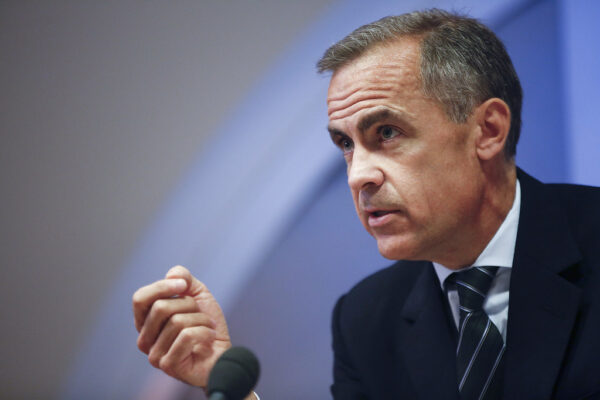
The controversy comes at a politically sensitive time for the administration, as opponents are already scrutinizing policy decisions and public statements. Many see Carney’s comments as a misstep that could be leveraged by critics to question the integrity of the White House’s dealings with private industry.
For now, investigations and public scrutiny continue. While no formal charges or findings of wrongdoing have been announced, the incident highlights the complex interplay between personal investments and public office. It also serves as a cautionary tale for officials navigating high-stakes policy announcements while maintaining ethical boundaries.
As questions mount, the nation watches closely to see whether this episode will result in reforms, disciplinary action, or simply fade as another media controversy. One thing is clear: the line between public service and personal gain has never been more closely examined.
