AOC’s Riley Gaines Spat Backfires as Bernie Admits Democrats Have Lost Trust
Washington, D.C. — What began as a sharp online exchange between Rep. Alexandria Ocasio-Cortez (D-N.Y.) and former college swimmer Riley Gaines has erupted into a larger political firestorm — one that exposes deep fractures within the Democratic Party. As progressives and moderates argue over identity politics and messaging, Senator Bernie Sanders has added fuel to the fire by admitting that the Democratic Party has “lost the trust of the working class.”
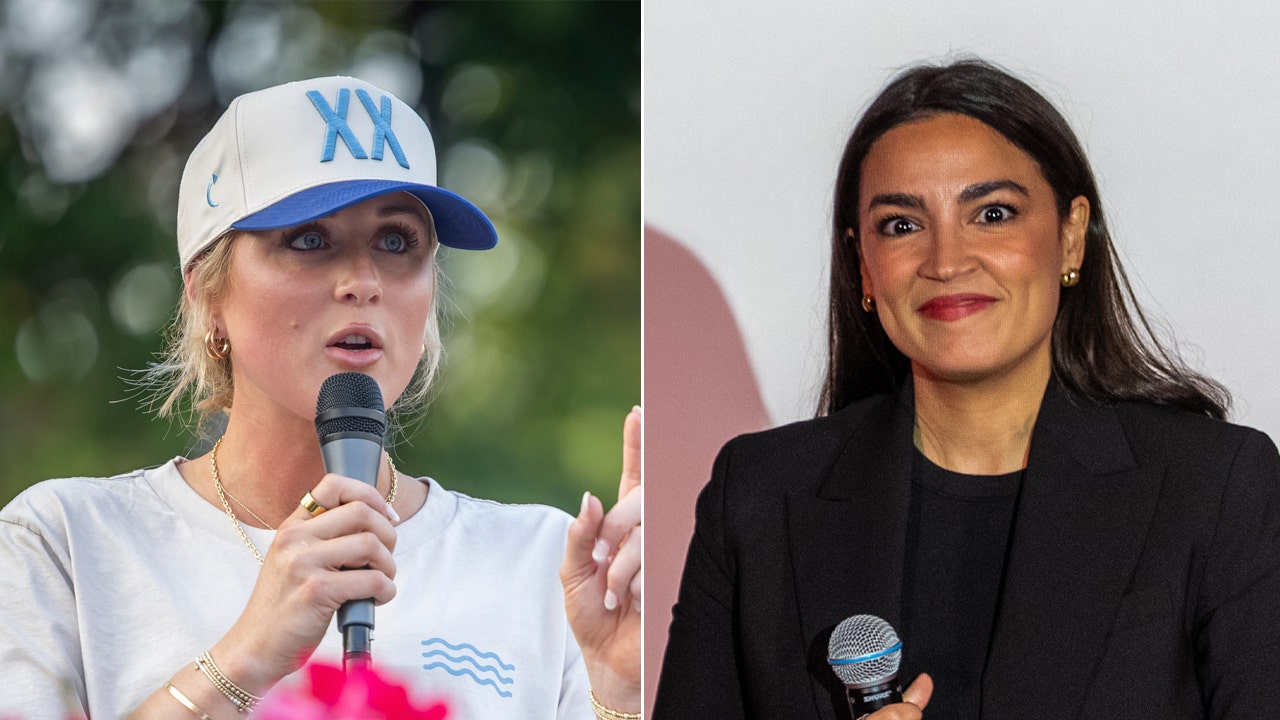
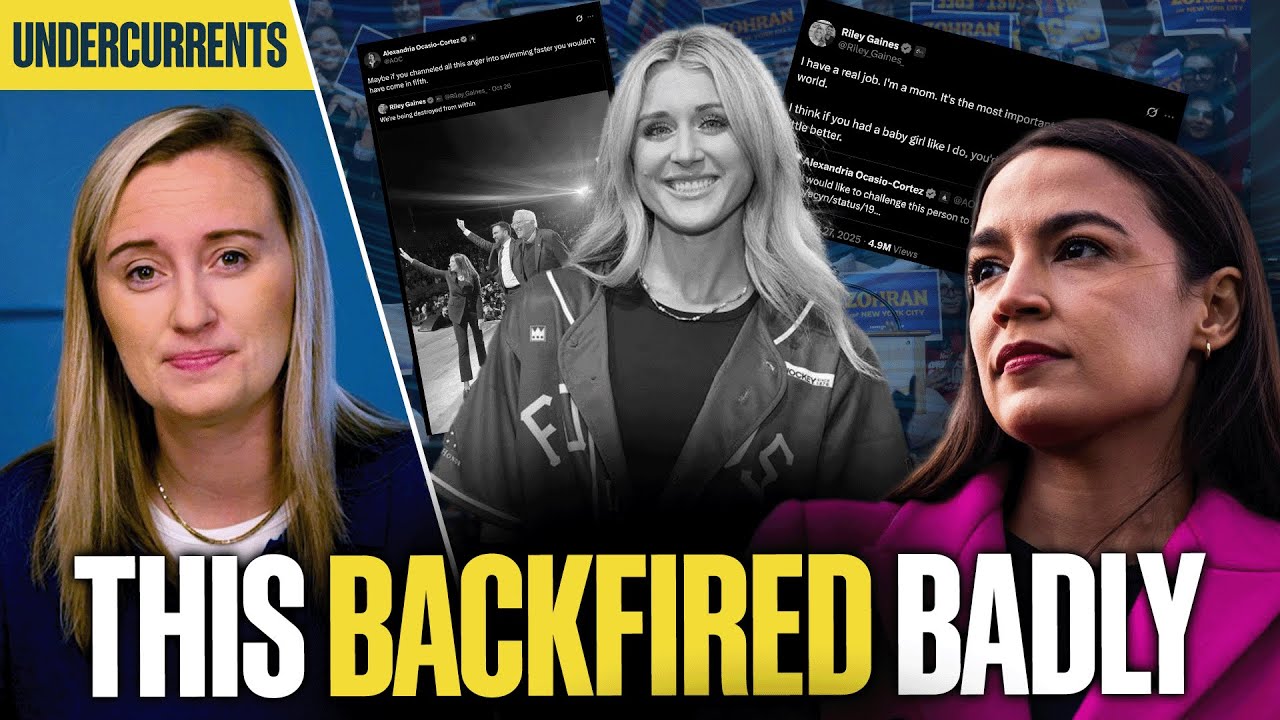
The controversy began when Riley Gaines, an outspoken advocate for women’s sports and critic of transgender inclusion policies, posted a message on social media calling out Ocasio-Cortez and other progressive lawmakers for “destroying feminism from within.” The New York congresswoman shot back with a caustic reply: “Maybe if you channeled all that energy into swimming faster, you wouldn’t have come in fifth.”
What might have been a one-day social media spat quickly escalated. Gaines fired back, accusing Ocasio-Cortez of “mocking women for standing up for fairness” and calling the congresswoman’s comments “misogynistic and dismissive.” Conservative media amplified the exchange, framing Ocasio-Cortez as emblematic of a Democratic Party out of touch with ordinary voters. Even some left-leaning commentators expressed discomfort with the tone of her response.
Then came Bernie Sanders’s intervention. In an interview days later, the Vermont senator bluntly acknowledged that the Democratic Party has “abandoned working-class people” and that this alienation is now coming back to haunt it. “It should come as no surprise,” Sanders said, “that when a party stops fighting for workers, workers stop trusting that party.” His remarks, while not directed at Ocasio-Cortez personally, landed just as the Gaines controversy was peaking — amplifying the sense that Democrats are losing their grip on middle-America’s cultural and economic pulse.
Political analysts say the timing of Sanders’s comments couldn’t be worse for party strategists already struggling with declining voter confidence. “Bernie essentially confirmed what many voters already feel,” said political analyst Rachel Collins. “When the party’s loudest voices are focused on social-media fights, working-class families struggling with inflation and housing feel ignored.”
The backlash against Ocasio-Cortez has been swift. Polling data and social-media sentiment show that her dismissive remark resonated poorly outside progressive circles, with critics saying it reinforced the perception of elitism within Democratic ranks. Meanwhile, Riley Gaines — long a lightning rod for conservative media — has gained new attention as a voice challenging what she calls “the silencing of women in sports.”
Within the Democratic Party, Sanders’s remarks have reopened old wounds between the progressive and populist wings. His allies argue that the party has leaned too heavily on culture-war issues at the expense of bread-and-butter economic policies. Establishment figures counter that Sanders’s rhetoric risks undermining unity ahead of the next election cycle.
For Ocasio-Cortez, the episode underscores both her influence and her vulnerability. Known for her sharp wit and unfiltered commentary, she has built a massive online following but also accumulated critics who accuse her of prioritizing ideology over persuasion.
As the controversy simmers, one lesson is clear: Democrats are facing an image crisis. When an online spat between a congresswoman and an athlete becomes a national conversation about authenticity and trust, it signals a deeper unease within the party. Bernie Sanders’s warning may have been unintended collateral damage — but his message cuts to the heart of the matter: if Democrats cannot reconnect with the working class, they risk losing far more than an argument on social media.
