The Super Bowl has always been more than a game. It is America’s biggest stage, a cultural juggernaut that blends sport, music, advertising, and national identity in one glittering broadcast.
But this year, the halftime show is no longer just a performance—it has become the center of a cultural and corporate war that now involves one of the most powerful men on the planet: Elon Musk.
In a stunning ultimatum delivered this week, Musk declared that he would end Tesla and SpaceX’s multimillion-dollar sponsorship ties to the Super Bowl if the NFL goes forward with its decision to feature Puerto Rican superstar Bad Bunny as the halftime headliner.
“Either the NFL cancels Bad Bunny’s halftime performance,” Musk warned, “or I walk away from one of the most valuable sponsorship deals in sports.”
The ultimatum has shaken the worlds of sports, music, and business alike. It’s not just about a concert anymore. It’s about power, politics, culture—and the price of tradition in an increasingly globalized entertainment landscape.
The Ultimatum Heard Around the World
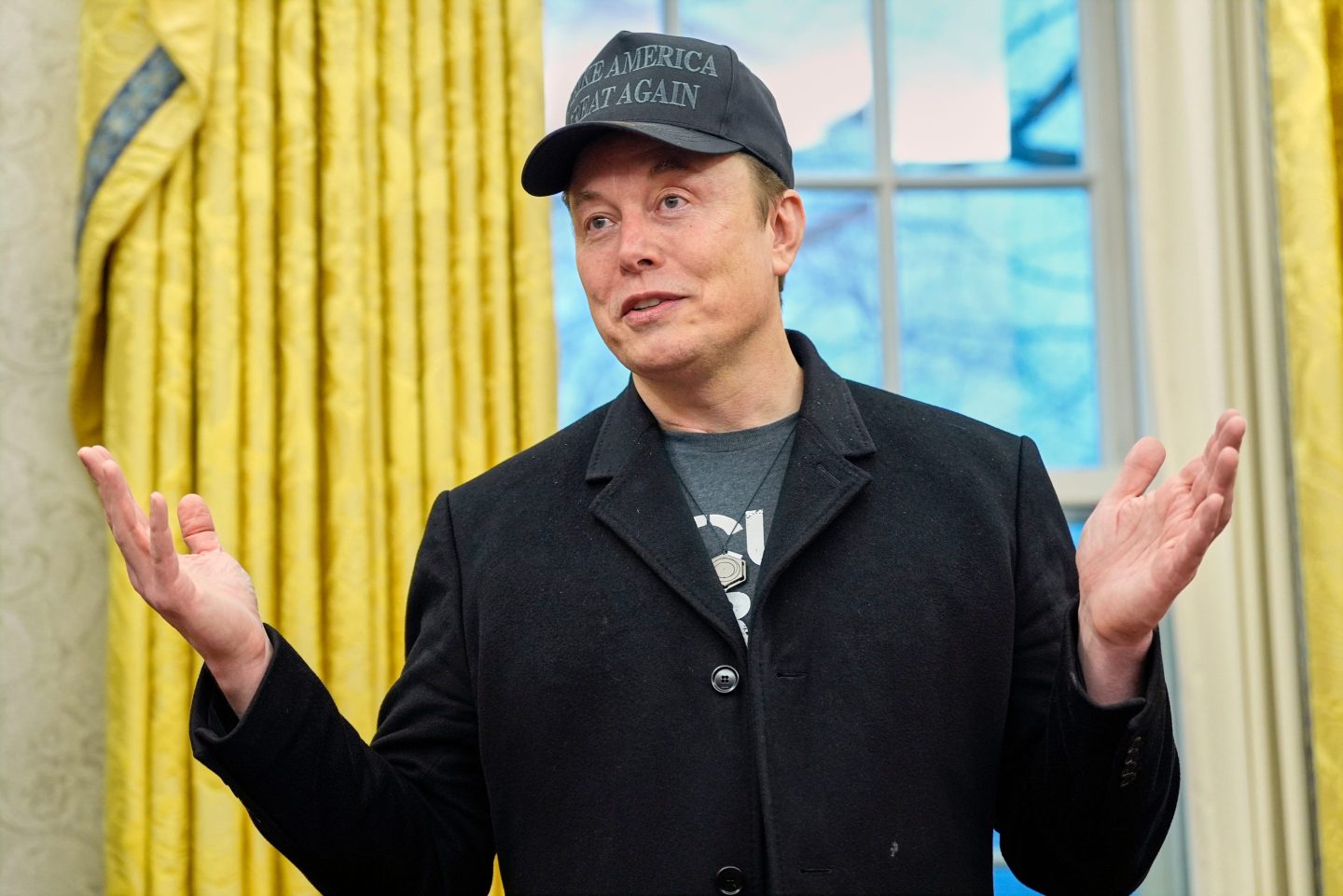
Musk’s statement was not delivered in a quiet boardroom. It was made loud and public. In a post on X (formerly Twitter), Musk laid out his grievances in blunt terms:
“The Super Bowl is supposed to be about America. It’s supposed to unite us around football, tradition, and family. If the NFL thinks it can hijack that moment to push globalist entertainment agendas, I want no part of it. Cancel Bad Bunny or cancel me.”
The message was amplified instantly, garnering millions of shares and sparking an avalanche of responses. Within hours, Musk’s words were headline news around the globe.
NFL Caught in the Crossfire
The NFL, already embroiled in culture wars over its entertainment choices, now finds itself at the center of a standoff with the world’s richest man.
Officially, the league has issued only a cautious statement:
“The Super Bowl Halftime Show remains committed to celebrating diversity, creativity, and music on a global stage. We value our partners and sponsors but will not comment further at this time.”
Behind the scenes, however, insiders say league executives are “stunned” by Musk’s move. Sponsorship deals with Tesla, SpaceX, and Musk’s other companies have been estimated to be worth tens of millions annually, and losing that revenue could rattle advertising strategies.
One source close to the NFL board admitted:
“This is not just about money. It’s about optics. If they back down to Musk, they look weak. If they ignore him, they risk losing one of the most influential sponsors on earth.”
Why Bad Bunny?
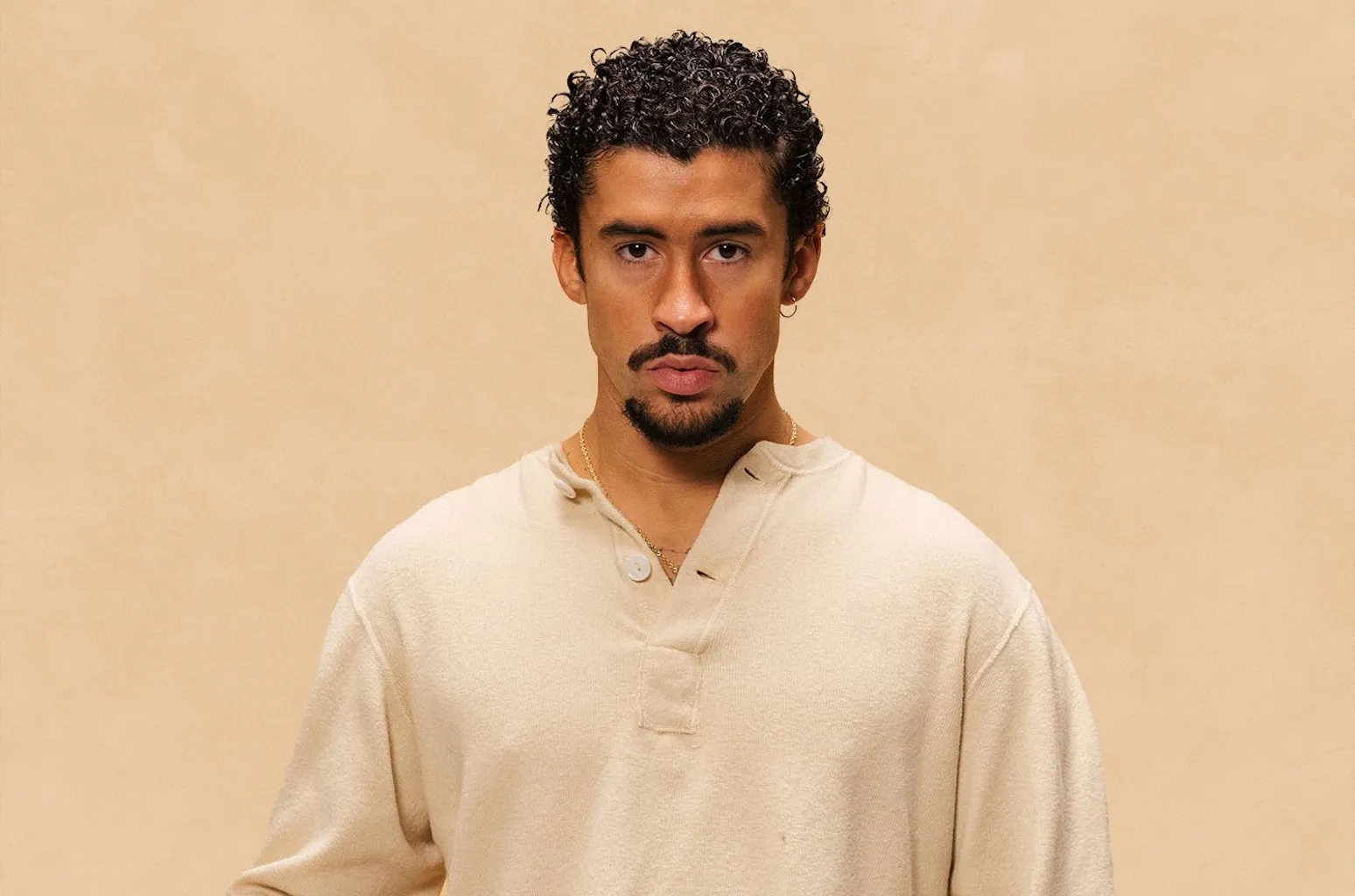
At the heart of the controversy is Bad Bunny, the Puerto Rican megastar whose meteoric rise has made him the most-streamed artist in the world.
Bad Bunny is beloved by millions for his genre-bending music, flamboyant style, and unapologetic social activism. But those same qualities have made him a lightning rod for criticism among conservatives who argue that his presence on the Super Bowl stage represents a betrayal of American tradition.
Critics like Musk claim that featuring a Spanish-language artist at halftime is evidence of the NFL catering more to “global trends” than to its American roots.
Supporters argue the opposite: that Bad Bunny represents the future of American culture, one that is diverse, bilingual, and global.
Musk’s History of Culture War Battles
This is not the first time Elon Musk has waded into the culture wars.
-
In 2022, he clashed with advertisers over Twitter’s policies on free speech after acquiring the platform.
-
In 2023, he boycotted Disney following comments he described as “anti-family.”
-
He has repeatedly framed himself as a defender of “traditional values” against what he calls “woke globalism.”
But this move—directly threatening the NFL’s most profitable broadcast—is by far his boldest cultural intervention.
Business analysts estimate that Musk’s sponsorship pullout could cost the NFL hundreds of millions in ripple effects, given Tesla’s role as one of the most recognizable brands featured in Super Bowl commercials.
Reactions: Shock, Fury, and Applause
The fallout from Musk’s ultimatum has been swift and polarizing.
-
Conservatives praised him as a patriot. Fox News host Tucker Carlson declared: “Musk is standing up for America when no one else will. The Super Bowl should be about football, not a lecture on woke culture.”
-
Progressives ridiculed the move. Representative Alexandria Ocasio-Cortez tweeted: “Imagine being the richest man in the world and crying because millions of Americans want to dance to Bad Bunny.”
-
Fans were split. Some applauded Musk for drawing a line in the sand. Others blasted him for politicizing a game meant to unite the country.
One viral TikTok captured the mood: “Musk says no Bad Bunny at halftime. Bad Bunny fans say no Musk in their Teslas. Who wins?”
Bad Bunny Breaks His Silence
Until now, Bad Bunny had stayed quiet amid the controversy. But after Musk’s ultimatum dominated headlines, the artist posted his own cryptic response on Instagram:
A photo of himself holding a football, captioned simply:
“I have the stage. I have the ball. Let’s play.”
The post racked up millions of likes within hours, with fans interpreting it as a defiant declaration that he would not be intimidated by billionaire threats.
Business World Reacts
The business community is also divided on Musk’s move. Some see it as reckless, potentially damaging Tesla and SpaceX’s reputations by entangling them in culture wars.
Others view it as brilliant branding—Musk once again positioning himself as a maverick willing to confront institutions larger than himself.
Marketing strategist Rachel Goodman noted:
“Musk has turned what should be Bad Bunny’s moment into his own. Whether you agree with him or not, he knows how to dominate the narrative.”
What Happens Next?
With the Super Bowl just weeks away, the NFL faces an unenviable choice:
-
Cancel Bad Bunny, appease Musk, and face accusations of caving to billionaire pressure while alienating millions of fans.
-
Stand firm, keep Bad Bunny, and risk losing Musk’s sponsorship money and influence.
-
Seek compromise, perhaps by adding another performer alongside Bad Bunny to balance the optics.
Insiders say the NFL is scrambling behind closed doors, with meetings involving both advertisers and political consultants. The stakes are too high for the league to miscalculate.
A Cultural Showdown on the World’s Biggest Stage
What’s clear is that this year’s Super Bowl halftime show is no longer just about music. It is about who gets to define American culture, who holds the power to shape national identity, and whether billionaires like Elon Musk can dictate entertainment choices for millions.
As one columnist put it:
“This isn’t a halftime show. It’s a tug of war over America’s soul.”
Conclusion: Tradition vs. Transformation
Elon Musk’s ultimatum has turned the Super Bowl into the latest battleground in America’s culture wars. By threatening to pull his sponsorship, he has raised the stakes far beyond one performance.
For some, he is standing up for tradition and protecting the Super Bowl from what they see as political infiltration. For others, he is a billionaire bully trying to dictate culture.
And for Bad Bunny, he is simply fuel for an even more defiant performance.
When the lights go down at halftime, the world won’t just be watching a concert. They’ll be watching the outcome of a cultural clash between the old and the new, between tradition and transformation, between Elon Musk’s ultimatum and Bad Bunny’s music.
One thing is certain: this year’s Super Bowl will be remembered not just for the game, but for the fight over who owns America’s biggest stage.
